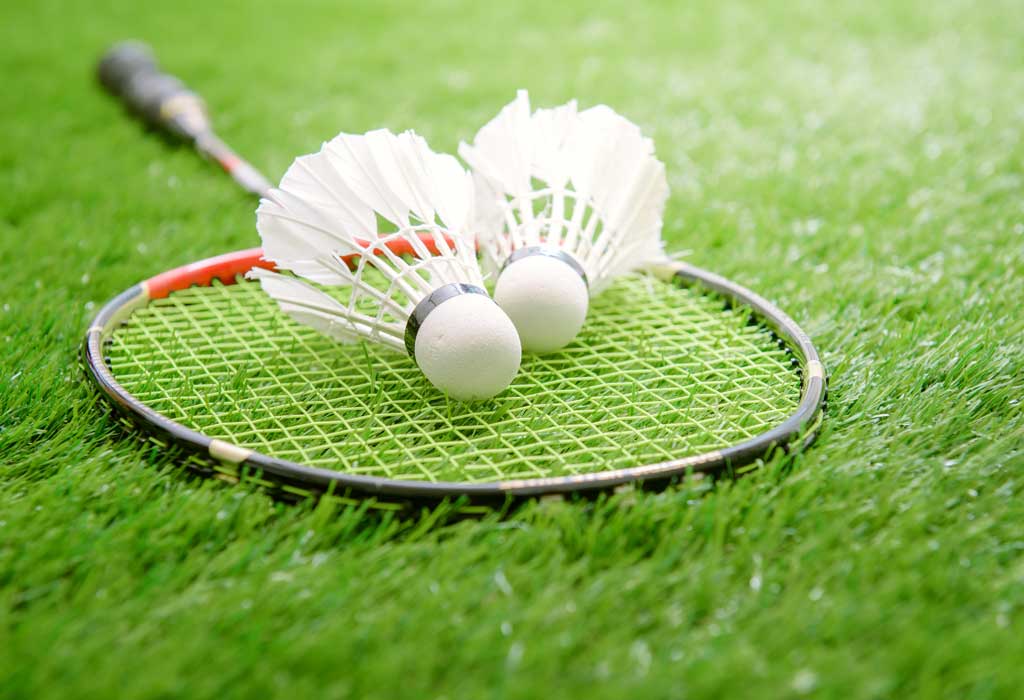
Badminton is a dynamic racquet sport where players hit a shuttlecock over a net, aiming to land it in the opponent’s court. Unlike tennis, the shuttlecock is lightweight and can travel extremely fast, demanding quick reflexes, agility, and stamina. As a globally recognized sport, badminton is governed by the Badminton World Federation (BWF), which enforces rules, regulations, tournaments, and world rankings.
At Hapnwel, we support this sport for its accessibility and holistic health benefits.
The origins of badminton date back to the 16th century with a game called battledore and shuttlecock, popular in Europe. British officers in India adapted the game in the 19th century, laying the foundation for the modern version. By 1934, the BWF was formed, and badminton eventually earned a place in the 1992 Olympic Games. Countries like China, Indonesia, India, and Denmark have since produced world-class champions.
Today, Hapnwel encourages players to embrace this globally loved sport as part of a healthy routine.
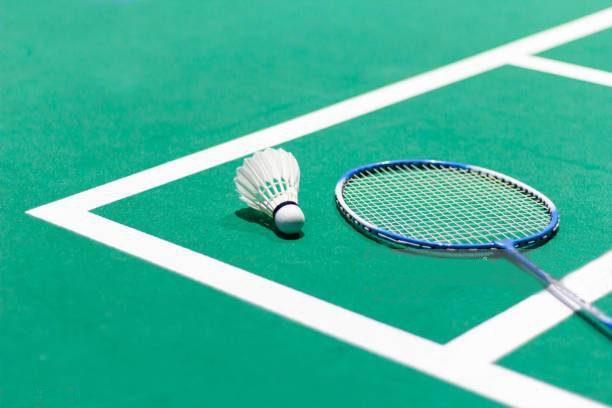
To play badminton safely and effectively, understanding the court layout and choosing the right equipment is essential.
Singles: 13.4 m long × 5.18 m wide
Doubles: 13.4 m long × 6.1 m wide
Net Height: 1.55 m at posts, 1.524 m at center
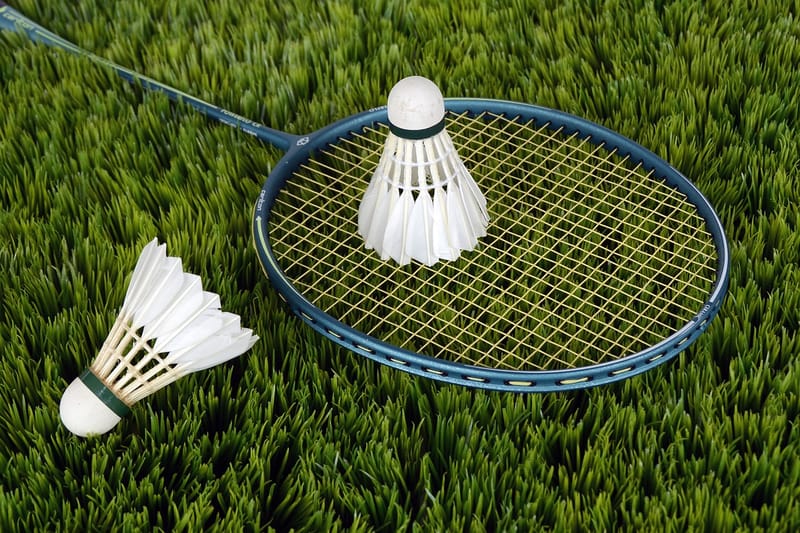
At Hapnwel, we recommend high-quality gear for comfort and performance:
Rackets: Lightweight (70–100 g) with balanced or head-heavy options for power and control
Shuttlecocks: Feather shuttles for professional play; nylon shuttles for beginners
Shoes: Non-marking soles for grip, stability, and injury protection
Accessories: Quality grips, wristbands, socks, and nets for a complete playing experience
Badminton follows a globally accepted rulebook that keeps the sport fair and competitive.
Best of three games
Each game goes to 21 points (rally scoring)
At 20–20, a 2-point lead is required
At 29–29, the first to 30 wins
Serve below waist height
Racket head must angle downward
Serve diagonally into the opponent’s service box
In singles: Right side on even scores, left on odd
In doubles: Partners rotate service rights
Shuttle landing outside the boundary
Failing to cross the net
Double hits
Touching the net with racket or body
Receiver not ready
Shuttle stuck in net after serve
External disturbance
Forehand grip: For clears, smashes, and attacking shots
Backhand grip: For defensive movements and drives
Stay light on your feet
Use split-step for faster reactions
Practice lunges, shuffles, and quick sprints
Clear: High, deep shot to push opponent back
Drop: Soft, controlled shot near the net
Smash: Fast, downward finishing shot
Drive: Flat, powerful rallying shot
Net Shot: Gentle placement close to the net
Singles: Focus on stamina, precision, and patience
Doubles: Emphasize speed, teamwork, and rotation
Badminton burns 400–500 calories per hour, strengthens the core, legs, arms, and improves stamina and body balance.
With shuttle speeds exceeding 400 km/h, badminton trains your reaction time, coordination, and footwork.
A great aerobic workout—helps reduce blood pressure, improve lung capacity, and lower risks of diabetes.
Playing badminton releases endorphins, improving mood, sleep, focus, and overall mental clarity.
Whether in clubs, schools, or community courts, badminton promotes teamwork, bonding, and healthy competition.
Children, adults, and seniors can all enjoy badminton due to its adaptable intensity and low-entry barrier.
The sport enhances decision-making, strategic thinking, consistency, and overall confidence—values supported by the Hapnwel active lifestyle mission.
Badminton is more than a sport—it’s a complete mind-body workout that builds agility, endurance, and social connection. At Hapnwel, we encourage everyone to include badminton in their routine to enjoy a healthier, more active life. Whether you’re a beginner or an advanced player, committing to regular practice can transform your fitness and wellbeing.